How Many Moving Boxes Do You Need?
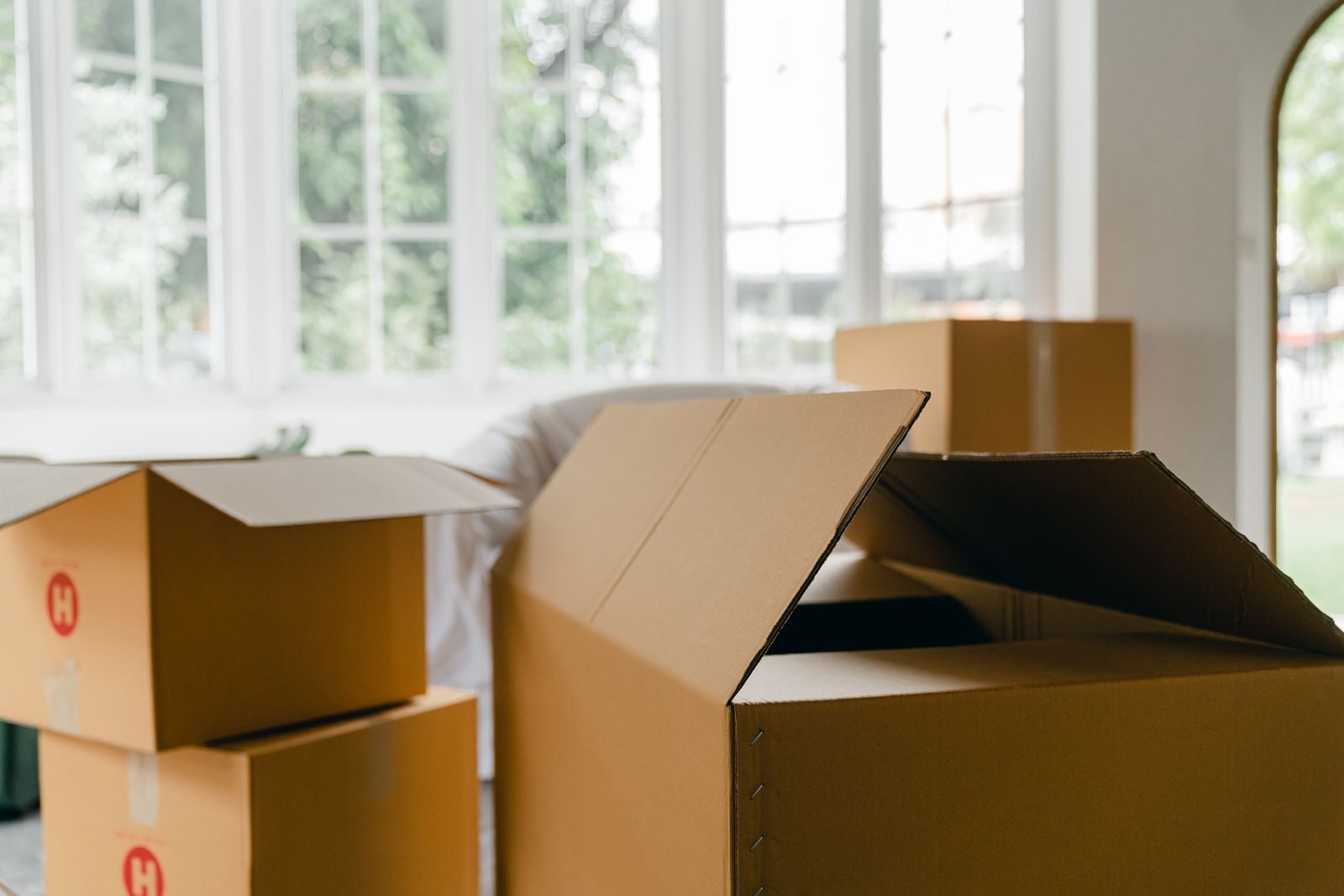
It's the question every move starts with, and the one most people get wrong. Buy too few boxes and you're improvising with rubbish bags at 11pm the night before. Buy too many and you've spent money on cardboard you'll flatten and bin. This guide gives you a realistic number — by home size, by box type, and a quick way to work out your own.
The quick answer
As a rough rule of thumb, plan for around 10 to 15 cartons per room you're actively packing. That already nets out a sensible declutter and counts living spaces and the kitchen, not hallways or the bathroom.
So a typical three-bedroom New Zealand home lands somewhere around 45 to 65 boxes once you add the kitchen, lounge and the inevitable "everything else." Below is a fuller breakdown.
How many boxes by home size
These ranges assume a moderate declutter before you pack, and break down by the three carton types you'll lean on most. Collectors, bookworms and anyone who's been in the same place for a decade should aim for the top of the range — or above it.
| Home size | Small | Medium | Large | Total |
|---|---|---|---|---|
| Studio / 1-bedroom unit | 4 – 7 | 7 – 12 | 4 – 6 | 15 – 25 |
| 2-bedroom home | 8 – 12 | 14 – 22 | 8 – 11 | 30 – 45 |
| 3-bedroom home | 12 – 17 | 21 – 31 | 12 – 17 | 45 – 65 |
| 4-bedroom home | 17 – 24 | 30 – 43 | 18 – 23 | 65 – 90 |
| 5+ bedroom home | 24 – 32 | 42 – 58 | 24 – 30 | 90 – 120+ |
Wardrobe and specialty cartons (below) sit on top of these — count on a couple of wardrobe boxes per bedroom and a few dish-packs for the kitchen. A useful sanity check: most households underestimate the kitchen and the study. Both are dense, heavy-packing rooms that quietly eat a dozen boxes each.
The box sizes you'll actually use
Not all boxes are equal, and the trick is matching the box to the contents. Dimensions vary by supplier, but New Zealand moving cartons fall into a few standard sizes:
Book / small carton — around 40 × 30 × 30 cm (~35 L)
The heavy-duty workhorse for dense items: books, tinned food, tools, records and crockery. Small on purpose — fill a big box with books and nobody can lift it.
Standard / medium carton — around 45 × 40 × 40 cm (~70 L)
The all-rounder you'll use most. Pantry goods, kitchen gear, toys, shoes, general "stuff." Expect these to make up roughly half your total.
Large carton — around 50 × 45 × 45 cm (~100 L)
For bulky but lightweight things: pillows, duvets, linen, lampshades and soft furnishings. Keep it light — a large box packed with heavy items is a back injury waiting to happen.
Wardrobe / portarobe carton — around 50 × 60 × 110 cm, with a hanging rail
Clothes go straight from the wardrobe onto the built-in rail, no folding. A couple of these saves hours and keeps good clothes crease-free.
Specialty cartons
Picture and mirror cartons (flat and adjustable) and reinforced dish-pack cartons with cell dividers for glassware. Worth it for anything fragile or awkward.
How to estimate your own number
Counts are a starting point, not gospel. Adjust up or down for:
- How long you've lived there. More years means more accumulated stuff — add 10–20% for every move you've skipped.
- Books, records and collections. Each shelf metre is roughly a full small carton on its own.
- A big or well-stocked kitchen. Plates, glassware and appliances burn through small and dish-pack cartons fast.
- Kids. Toys, clothes and gear scale faster than you'd expect.
- Your declutter. The single biggest lever. Every bag to the op shop is a box you don't pack, move or unpack.
A few too many beats one too few
When in doubt, round up. Most moving-box suppliers will buy back or refund clean, unused cartons, and good ones are reusable or recyclable — so a small surplus costs you little. Running out mid-pack, on the other hand, means an emergency supermarket run for mismatched boxes that don't stack and tear at the worst moment.
Work out your number early, order a little extra, and you take one more variable out of moving day. Once you know roughly what you're shifting, compare quotes from trusted New Zealand movers through Smartmove — the more accurately you can describe your load, the sharper the quotes you'll get back.